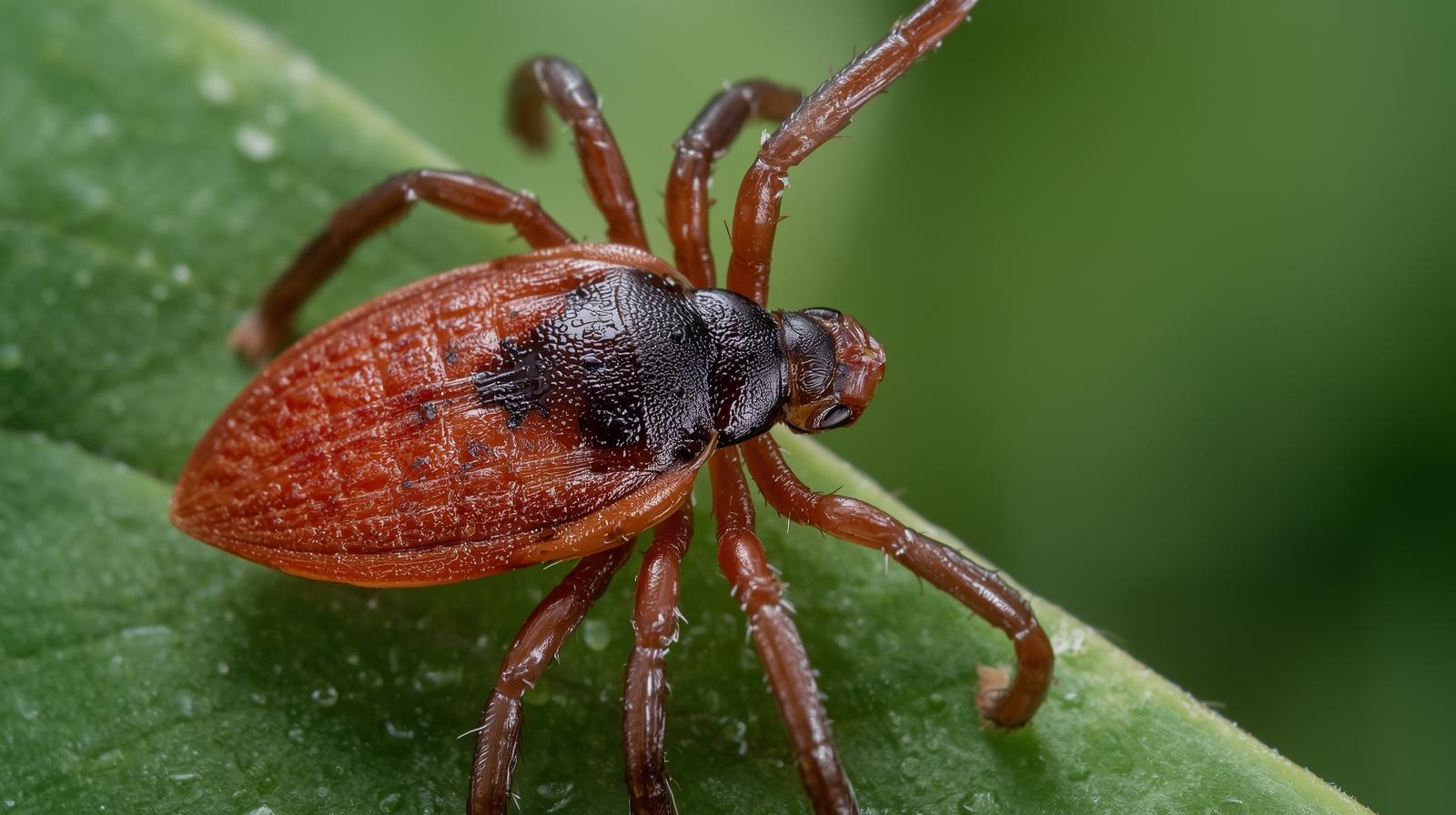
May guest weeks concentrate feet on the same paths deer already used all winter. The wood line is not decoration. It is the seam where turf meets shade, ticks wait on knee high growth, and ants find damp bridges against the foundation. This guide is a walk you can repeat each spring before tables land on the grass. It pairs field habits with how Peconic Pest Control already describes tick control, mosquito control, and general insect and rodent control on this site.
We have served the East End since 1997. Nothing here replaces a ladder climb you are not comfortable with or a licensed inspection when damage is uncertain.
Start where cars stop, not where burgers land
Walk from the parking turn with a clipboard or phone note. Note low branches that brush shoulders, tall grass where ticks ride, and any trash enclosure gap you meant to fix after winter. Guests cut corners across the same lines dogs already use.
If you manage remotely, send photos from this walk before anyone loads a truck. If bags were torn last month, read night raccoons and trash enclosures so mammal attractants are part of the same story as tall grass.
Properties in Bridgehampton, Sag Harbor, and East Hampton often hide the wood line behind a hedge that looks like lawn from the kitchen window. Walk the actual fence corner, not only the view from the deck.
Map the wood edge in three bands
Band A, zero to three feet from siding: mulch depth, irrigation mist, and soil touching brick. Pull mulch back where it holds moisture against the foundation. If ant trails look steady, compare your notes with ant trails on counters and patios before you treat only indoors.
Band B, three to ten feet into the lawn: mower wheel ruts, dog chase lines, and thin turf that signals compaction or shade. Tall seed heads here often mean ticks have an easy ladder.
Band C, ten feet and beyond toward trees: fallen branches, brush piles, and leaves that never left the fence corner. Those stacks shelter rodents and spiders as well as moisture. If webs concentrate on play equipment, read paper wasps and eaves so wasp scouting stays in the same walk as biting pest habits.
Carpenter ants use damp wood at the transition between bands A and B. Carpenter ant clues on damp sills helps you separate frass and large ants from the smaller species on pavers.
Dry saucers before you hang lights
Empty plant saucers, bird baths you are not refreshing daily, and tarps folded with a pocket in the middle. Standing water and mosquitoes explains why small reservoirs matter even when the pool is closed. If the pool is open, note drip lines from heaters or slides and mention them when you ask about mosquito control.
May evenings on the deck overlap with mosquito scouting habits in early May mosquito scout evenings when still air sits behind the same hedge you are trimming.
Align programs with real schedules
If children and dogs will use the lawn each morning, say so. Programs work better when they match occupancy instead of pretending every Tuesday looks the same. Our second home pest control article stays useful for that conversation. Pair it with opening your house for spring if the property sat closed through a wet April.
Our spring guide to tick control goes deeper on monthly yard treatments and traditional and natural options when you want that discussion up front. May outdoor timeline for ticks and mosquitoes helps you place mowing and saucer checks on the same calendar as service visits.
Run the indoor habits in one pass
Door sweeps, pet food timing, and dry sinks still matter when guests multiply. Skim spring pest proofing so indoor and outdoor stories match when you contact us.
Mice in garages and sheds often show up at the same wood line you are walking. Mice in garage and shed covers entry and clutter habits that support both rodent and tick conversations.
Book the conversation early
Crew routes tighten before Memorial Day. Calling in early May usually gives you cleaner options than waiting until everyone remembers their patio at once. Use contact with photos, your town, and a short note about wood line height, pool proximity, and whether mosquito control matters for your evenings.
If holiday prep is the main frame, Memorial guest week pest prep widens the same walk to wasps, trash enclosures, and guest arrival paths.
What a good wood line walk leaves behind
You should end with three photos: the tallest grass at the fence, any saucer or tarp holding water, and the path guests will actually take from car to door. You should end with one sentence about occupancy: weekends only, full summer, or a single Memorial week. That sentence changes how tick control and mosquito control cadence is discussed more than lot size does.
Lots in Montauk, Amagansett, and Water Mill can look similar on a map and behave differently in shade and breeze. Tell us which side of the house gets evening sun and where dogs cut through after rain.
Still deciding what to tackle first
If several worries fire at once, use our yard lawn pest quiz to land on a starting focus, then return here for the wood line walk structure.
Call 631-287-7378 when you want Peconic Pest Control to translate what you saw into visits that respect how your South Fork yard actually lives in May. We have been helping East End families since 1997, and we prefer a clear walk note over a vague “bugs are bad” message any week of the season.