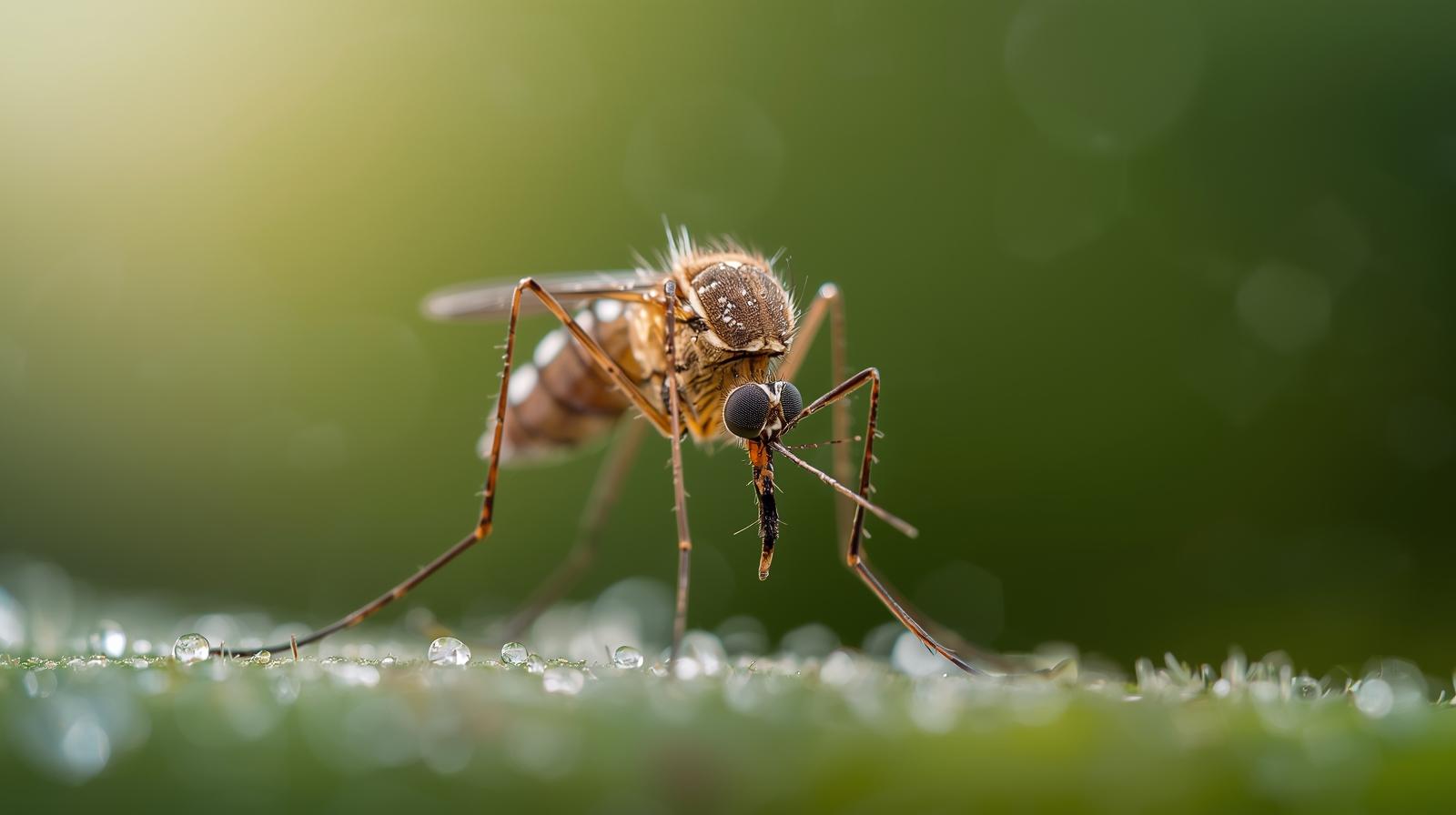
If you have a birdbath, a clogged gutter, or a low spot in the yard that stays wet after rain, you are giving mosquitoes exactly what they need to multiply. On the East End, wet springs and humid summers make the problem worse. Here is how standing water leads to more mosquitoes around your home and what you can do about it.
Where Mosquitoes Lay Eggs
Female mosquitoes lay their eggs in still water. They do not need a pond. A bottle cap, a folded tarp, or a dent in a piece of equipment can hold enough water for dozens of eggs. Within about a week in warm weather, those eggs can become biting adults. So the goal is simple: reduce or remove standing water so they have fewer places to breed.
Common spots on Long Island and in the Hamptons include:
- Gutters and downspouts that are blocked with leaves and hold water for days
- Plant saucers and trays under potted plants on patios and decks
- Kids’ toys and play equipment that collect rain (pools, buckets, toy trucks)
- Tarps covering boats, firewood, or furniture, with dips that hold water
- Wheelbarrows, watering cans, and empty pots left outdoors
- Low areas in the lawn or near driveways where water pools after a storm
- Drainage basins and dry wells that are clogged or not draining
- Fountain and pond water that is not moving or not maintained
Fixing the Ground and Improving Drainage
You do not need to be an expert to make a big difference. Walk the property after a rain and note where puddles stay for more than a few days. Those are your targets.
Clear gutters and downspouts. When water cannot flow, it sits in the gutter and becomes a breeding site. Clean them in spring and fall, and make sure downspouts direct water away from the foundation, not into a flat area that stays wet.
Tip containers or store them indoors. Anything that can hold water should be emptied, turned over, or put in a shed or garage. That includes buckets, plant trays, and toys.
Fill or grade low spots. If the same patch of lawn or dirt stays soggy, consider adding soil to level it or improving drainage so water runs off. Sometimes regrading a small area or adding a simple French drain is enough to dry it out.
Keep tarps tight and sloped. If you use tarps, pull them so water runs off instead of pooling in the middle. Check them after heavy rain.
Refresh birdbaths and fountains. If you keep a birdbath, change the water at least once a week. For fountains or small ponds, a pump that keeps water moving helps prevent mosquitoes from using it.
When Yard Work Is Not Enough
Even with good habits, many properties in Southampton, East Hampton, Sag Harbor, and across the South Fork still have wet spots you cannot easily eliminate. Wetlands, neighboring ponds, and high water tables are part of life here. In those cases, reducing breeding on your own land cuts the number of mosquitoes that use your yard, but you may still want a consistent barrier around the property.
Professional mosquito control treats the vegetation and resting areas where adult mosquitoes hide, and can target known wet spots that you cannot remove. Treatments are timed for when mosquitoes are most active and can be scheduled through the season so your yard stays usable for cookouts and family time.
How Often Water Has to Stand to Matter
Mosquitoes do not need a lake. Many species only need water to stand for five to seven days in warm weather to complete their cycle from egg to adult. That means a single heavy rain can create new breeding sites in anything that holds water for a week. After a storm, make a habit of walking the yard and dumping or tipping anything that collected rain. In places like Westhampton Beach and Bridgehampton, where summer storms are common, that weekly check can noticeably reduce how many new mosquitoes appear on your property.
Why the South Fork Is Especially Suited to Mosquitoes
The East End has a lot of what mosquitoes like: humidity, warm nights, and plenty of natural and manmade water. Marshes, ponds, and drainage ditches are part of the landscape. So are pools, irrigation, and the low spots that form in lawns and gardens. When you add standing water from gutters, plant saucers, and toys, you are giving local populations more places to breed close to your home. Cutting that extra breeding on your own lot is one of the most effective steps you can take, and it pairs well with professional mosquito treatments that knock down adults and keep pressure low all season.
What to Do Next
Start with a walk around the property and tackle the obvious standing water. Then, if you are still getting bitten or you have a lot of land and wet areas, get a mosquito control plan in place before the season peaks. The less standing water you have and the more consistent your control, the fewer mosquitoes you will have around your Long Island home.