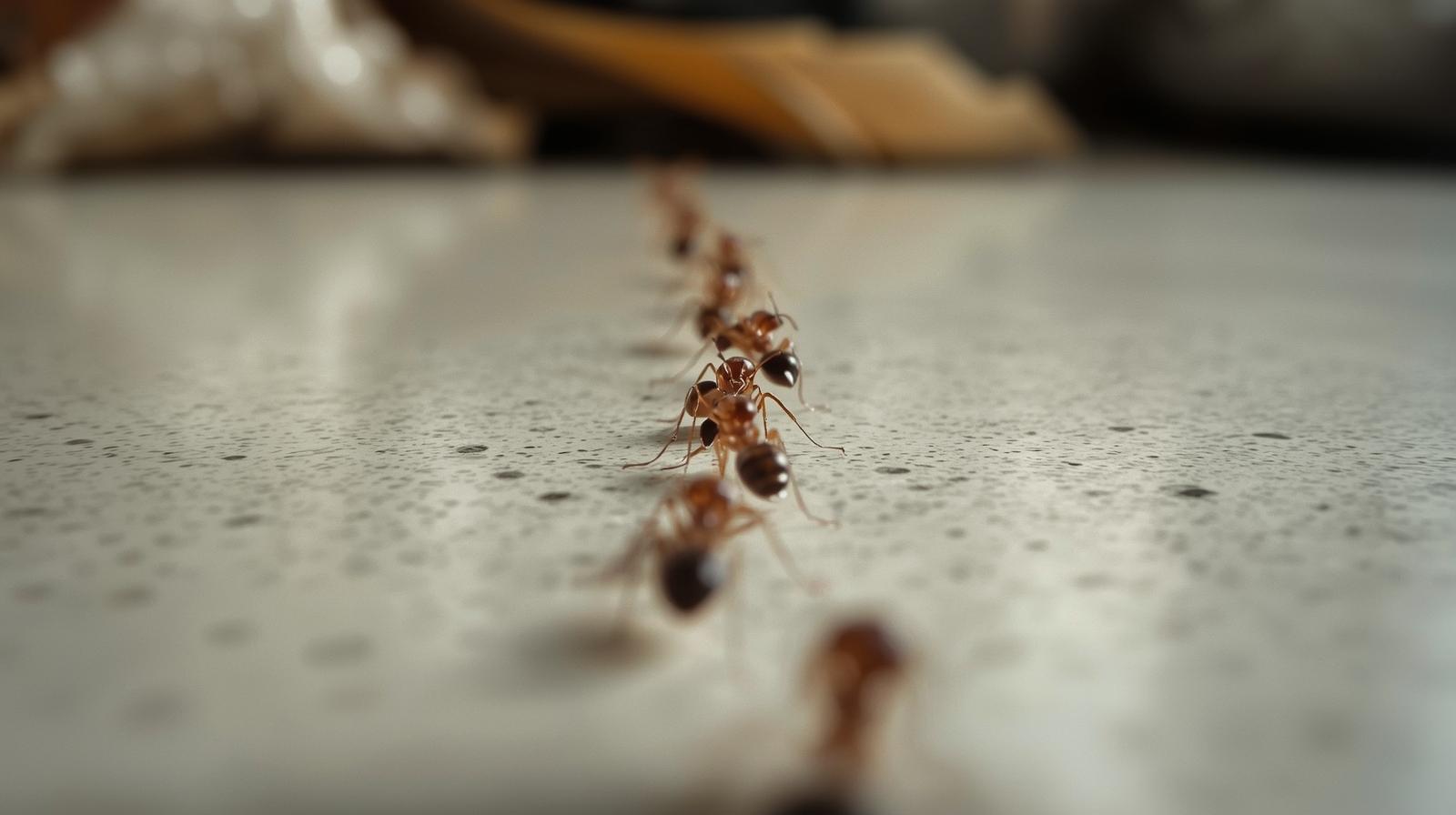
You swept yesterday. This morning a hair thin line of ants crosses the bluestone anyway, headed toward a seam beside the grill or a drip from the outdoor fridge. Late April on the South Fork is polite on the calendar and busy underfoot. Soil warms, overwintering colonies stretch their legs, and the first outdoor meals leave traces you barely see. None of that means your house is dirty. It means ants are doing what they evolved to do right when you finally want to live outside again.
Peconic Pest Control has worked the Hamptons since 1997. This article covers timing, what often drives late April trails, and how general insect and rodent control fits when trails move indoors or do not calm down after basic cleanup.
Why patios before kitchens
Pavement style ants often stage outside first. They follow expansion joints, paver sand, and the warmth along south facing walls. Sugary spills, meat juice from the first cookout, and pet bowls on the deck are easier targets than a sealed pantry. On properties in Southampton, Water Mill, and East Hampton, sliding doors and outdoor kitchens shorten the distance between food and nest.
If your trail looks identical to what you read in our ant trails on counters and patios post, the same sanitation ideas apply. The difference in late April is weather: more evenings outside, more irrigation, and more damp organic matter tucked beside pots. That moisture story also overlaps with spring pest proofing around foundations.
Outdoor refrigerators and ice bins deserve a slow look. A drip pan that never gets wiped becomes a reliable map point. Ants follow the map whether or not anyone is inside yet.
Neighbors, hedges, and shared edges
Tight East End setbacks mean your paver joint and your neighbor’s unmowed strip can share the same ant story. You cannot control another lot, but you can document where trails originate before you treat only your side of the line. A short video from a calm morning shows direction better than a frustrated description later.
If the hedge touches your railing, ask your landscaper for a narrow air gap that still looks intentional. The goal is fewer damp bridges and fewer places where foragers disappear from sight between properties.
Properties in Sag Harbor and Bridgehampton often mix stone patios with gravel paths. Gravel holds heat and moisture differently than bluestone. Note which surface the trail prefers when you call.
When trails move indoors
Outdoor trails sometimes graduate to kitchen counters after a rainy cold snap pushes workers to test new routes. If you see ants near a sliding track, note whether the weatherstrip is torn or hardened. If they appear under a sink, look for a slow drip first. Those details help us decide whether general insect and rodent control should emphasize exclusion, bait placement, or a broader perimeter plan.
Tell us if anyone in the home is sensitive to fragrances or if a baby spends long hours on a play mat near the door wall. Label compliant options exist; the conversation starts with how the space is actually used.
Carpenter ants are a different conversation
April also wakes awareness of carpenter ant clues on damp sills when people notice sawdust or winged insects near posts. Pavement ants rarely mean wood damage the way carpenter ants can. If you see both a patio trail and frass near a post, mention both when you call so a technician can tell which pest is involved.
Termite clues belong in the same conversation when mud tubes appear. Three pests can share a damp corner without needing one spray for everything.
Mosquito season is not the same problem, but the calendar touches
You might notice ants the same week you notice dusk insects near the deck light. That coincidence does not mean one spray fixes both. Mosquito control targets resting sites and breeding pressure tied to water and vegetation. Ant work targets entry, food chains, and colony pressure.
If you are already planning tick control for May, tell us about ants in the same call so we can schedule visits sensibly for your lot. Our April dusk mosquitoes and deck lighting piece helps you read evening pressure without blaming the wrong habit.
What we want to hear when you call
Where the trail enters, how long it has run, whether pets or kids use the space daily, and whether anyone in the home has chemical sensitivities. Photos help. If you host guests soon, say so. We can talk about label-compliant approaches and how visits line up with your calendar. No one can promise a pest-free weekend on Long Island, but we can help you get ahead of the problem.
If wildlife already tore bags near the patio, read night raccoons and trash enclosures so the outdoor story stays complete.
Simple moves that still help this week
Dry saucers and grill drip pans after rain. Run the hose bib check from standing water and mosquitoes anyway, because those pockets also support other insects ants exploit. Pull mulch back a few inches from the foundation if it sits damp against siding. Store recycling bins on a pallet if the garage floor puddles.
Wipe outdoor tables the same night you dine, including the underside of leaves and chair arms where soda rings hide. If you keep a compost bucket for the garden, move it off the deck during guest weeks or switch to a sealed tote. Rotate dog bowls so they are not sitting in a sun warmed puddle all afternoon.
None of this replaces professional assessment when trails persist, but it tightens the story before we arrive and makes any treatment window easier to schedule around real life.
Memorial week is closer than it feels
Late April trails that steal outdoor dinners in Montauk, Quogue, or Hampton Bays deserve a look before tables multiply. Pair this article with Memorial guest week pest prep when you want a fuller holiday frame.
Call 631-287-7378 or use our contact form. Ask for help with ants and mention whether ticks or mosquitoes are on the same list. We will help you sort what belongs in one visit, what needs a program, and what you can keep watching on your own.