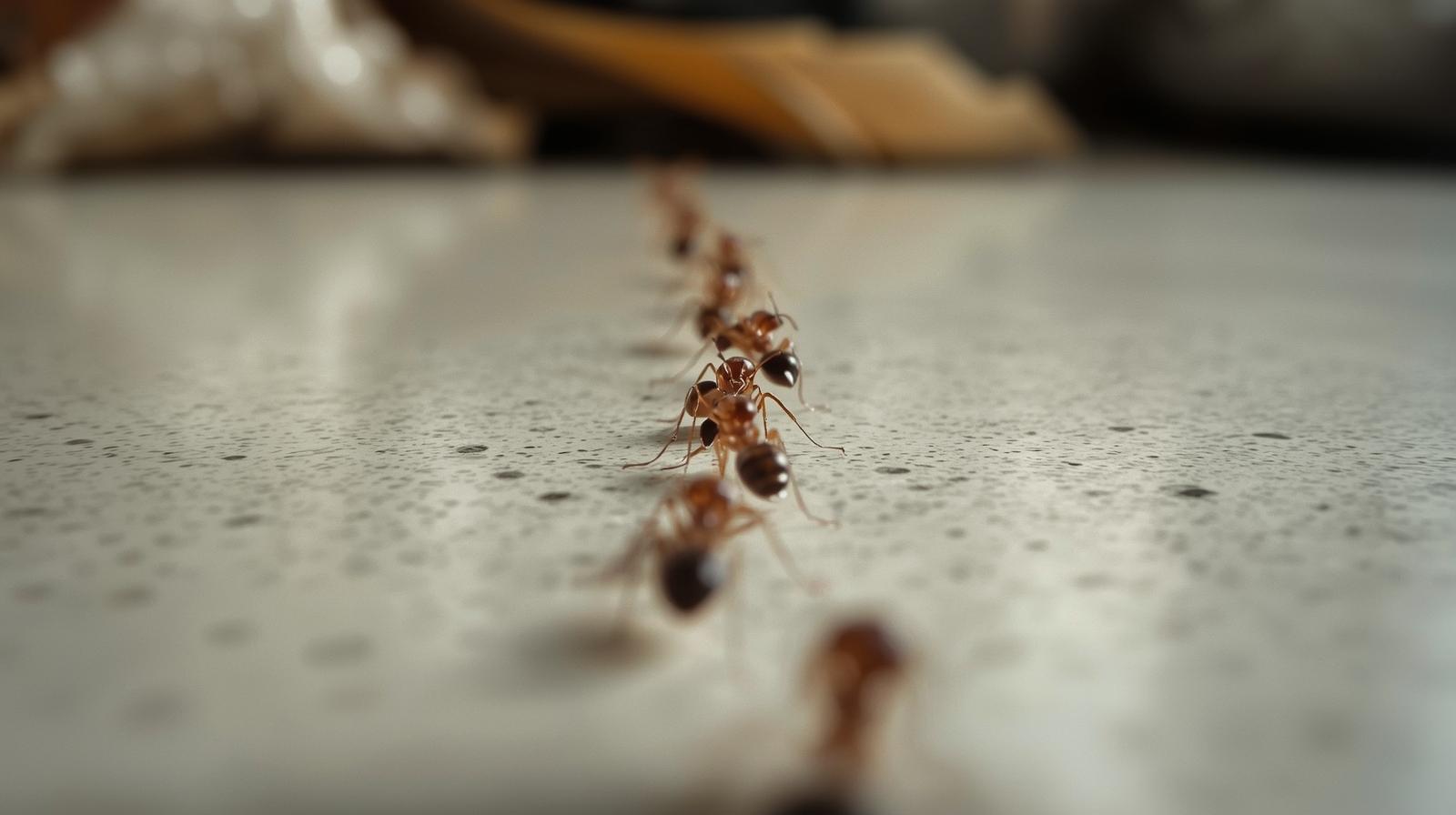
You flip on the kitchen light and see ants marching along the slider track. The yard looked fine at noon. What changed? On many South Fork homes, the answer starts below the floor. A damp crawl space or rim joist area holds humidity through warm nights. Ants and spiders follow that moisture toward thresholds where cool air leaks out and outdoor lights draw insects in.
This is common on Long Island, not a sign that something is wrong with your housekeeping. It is a seasonal pattern Peconic Pest Control sees in places like Bridgehampton, Sag Harbor, and Montauk. A few exterior habits plus professional help when needed usually calm things down faster than spraying random rooms indoors.
What to look for first
Walk the foundation line once at dusk with a flashlight. Note mulch piled against siding, plant saucers that never dry, and torn weatherstripping at sliders. Check crawl vents for blocked screens, stored chairs, or leaf litter pressed against the opening.
Compare what you see at the time bugs actually show up, not only at midday when everything looks quiet. Take a quick photo of the worst corner in morning light and again in the evening. That pair helps if you contact us later.
Musty air when you open a crawl hatch is another clue. Moisture below the floor often explains bugs at the door better than treating only the kitchen.
Habits that help before you call
Pull mulch back six inches from the lowest siding course so the rim line can dry between humid nights.
Empty saucers and trays after rain. A half inch of water is enough to keep a planting bed damp against the foundation.
Wipe outdoor kitchen surfaces and empty grease trays. Ants follow food residue on a different schedule than ticks in the lawn.
Fix downspouts that dump against the house. Water should run away from vents and sills.
Run irrigation wisely. Short daily spritzes keep roots shallow and can leave foundation beds wet. One deeper soak when soil is dry two inches down is usually better than constant light watering that never lets mulch dry.
These steps support general insect and rodent control. They do not replace treatment when colonies are already established indoors.
Ticks and mosquitoes are a different story
Ants at the slider do not mean you have a tick problem, and vice versa. If family and pets use the lawn daily, tick control may still belong on your calendar. If evenings on the deck are uncomfortable, pair drainage habits from our post on standing water and mosquitoes with mosquito control when needed.
When to call Peconic Pest Control
Reach out when trails keep returning after you fixed obvious moisture and food sources, when you see frass or soft wood near posts (that may be termites or carpenter ants, not threshold ants), or when you want a professional inspection before a busy guest week.
We have served the Hamptons since 1997. Call 631-287-7378 or use our contact form. Mention your town, what you see at doors and vents, and any travel or guest dates so we can plan a visit that fits how you use the property.