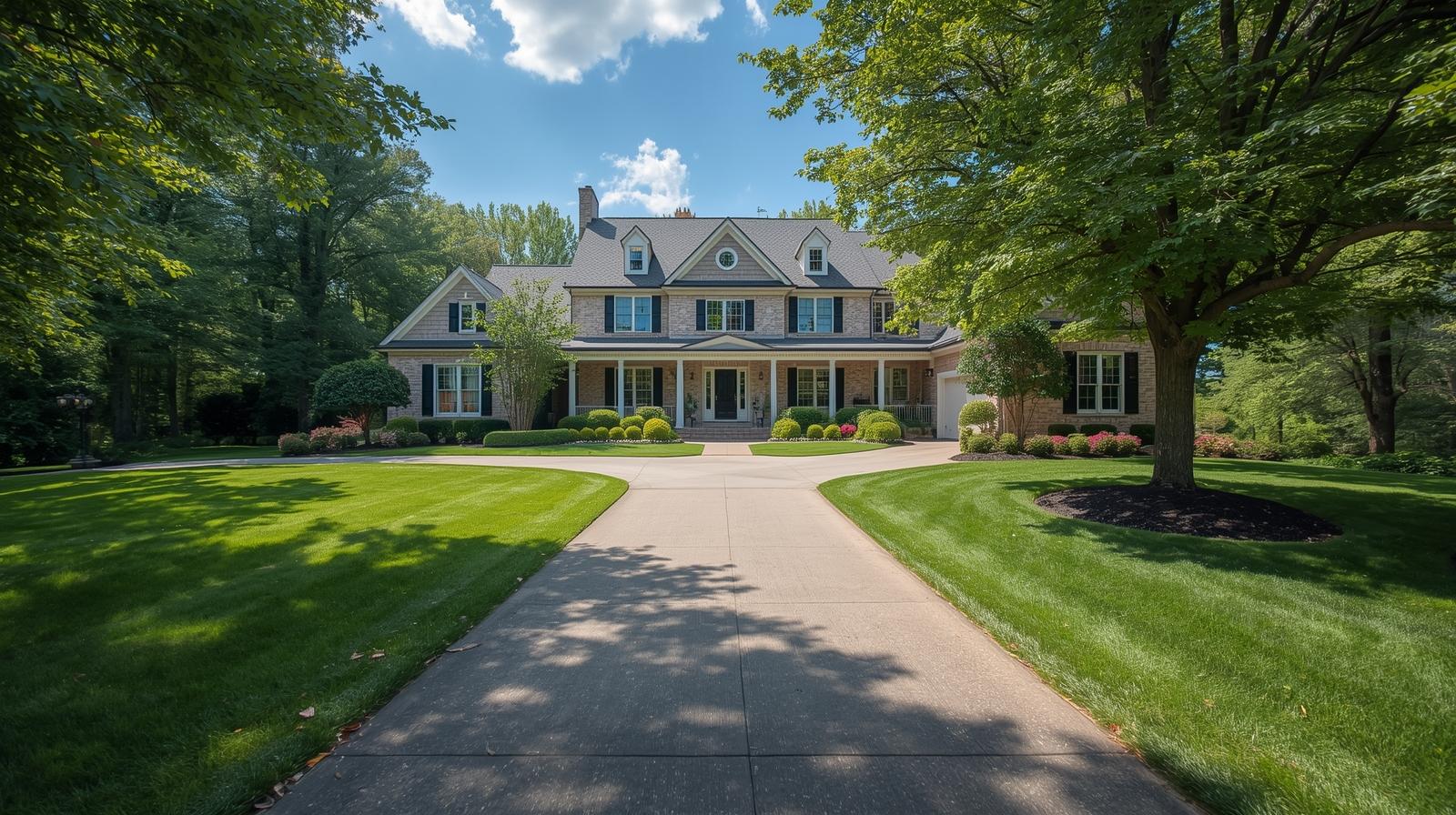
Guest calendars on the South Fork now stack pool afternoons, longer irrigation cycles, and turnover weekends on the same lots that looked dry after the last warm block. Splash from pool coping, drip from deck planters, and timer shifts toward summer curves can keep foundation beds saturated while open lawn above reads perfect. Ants test sill lines at night. Earwigs appear at sliders. Crawl humidity may lag without ever flooding. This article is about that bed line saturation story, not the full crawl map in our Long Island crawl moisture after warm blocks piece or the threshold pest thesis in South Fork threshold pests when crawl humidity outlasts warm dry spells.
Peconic Pest Control has served East End communities since 1997. When activity rises at the lowest siding course or along bluestone beside the house, general insect and rodent control starts with how water moves through beds and splash zones, not only how dry the forecast looked at breakfast.
Guest weeks change water at the foundation before you notice crawl signals
Many South Fork homes run pool pumps, irrigation, and outdoor kitchens on calendars that ignore the lowest foundation band. Guests increase shower load, towel laundry, and evening irrigation checks while beds beside the house stay wet from splash and overspray. You might see ants at a garage threshold, earwigs on a slider track, or mulch that never dries on the north side while the open lawn looks textbook green.
Walk the foundation band at dusk after a pool afternoon in Southampton, Water Mill, or Bridgehampton. Note where splash hits soil beside the coping, where drip irrigation now runs longer than spring settings, and where downspouts discharge into beds that guests trample daily. Compare with our standing water and mosquitoes article when saucers and pool toys hold water guests forgot, without blending every outdoor story into one panic.
Irrigation overlap when timers shift toward summer curves
Timers that lengthen evening cycles often soak the lowest siding course while open turf still looks fine. Spray heads aimed at foundation shrubs create a humid band ants and earwigs use every night. Pool backwash or autofill overflow that drains toward beds adds volume irrigation charts never capture.
Pull mulch back from the lowest course. Confirm spray arcs do not hit siding nightly. Fix extensions that sheet across vent lines. Properties in Sag Harbor, North Haven, and Sagaponack with tight bed lines need the same discipline before guest turnover compresses outdoor routines. Our late foundation vents and insect paths article pairs when screens and mulch bridges are the primary highway.
Pool splash, deck planters, and the saturated band earwigs prefer
Pool coping splash and deck planter drip create a humid transition zone earwigs and silverfish favor. Fresh mulch packed against siding after turnover cleaning makes the band worse even when the pool deck looks spotless for guests. Move planters slightly away from slider tracks. Empty saucers under pots on stone that meets the house.
Owners in East Hampton and Amagansett preparing for sustained guest weeks should add a five minute bed line walk to cleaner notes. Guests notice pests at the slider more than they notice saturated mulch they never inspected. Our Memorial guest week pest prep checklist supports when calendars compress.
Ant trails that follow saturated bed lines, not only kitchen crumbs
Pavement and odorous house ants often test foundation lines when beds stay wet beside stone patios. Trails along bluestone or across garage thresholds are information. Compare exterior movement with interior sightings before you assume a pantry problem alone.
Our ants on kitchen and patio article and late pavement ant trails piece help when stone joints are the first signal. Carpenter ant clues on damp sills stay separate when frass or winged insects appear near posts, especially after warm rain breaks a dry spell and soft wood wakes scouts.
Crawl and rim joist lag when beds saturate above
Bed saturation can feed rim joist humidity even when the crawl hatch smells acceptable on a sunny morning. Vapor moves upward from wet soil while siding above feels dry. That lag connects to insects indoors without standing water in the basement.
Open hatches safely on a dry afternoon and note condensation on cool surfaces. Pair with our Long Island moisture and crawl spaces article when the full wet season map matters, without repeating that thesis here. Tell us what you see at sills, vents, and thresholds so technicians route honestly.
Mosquito and tick stories that share the calendar, not the biology
Warm evenings bring mosquitoes to deck edges and ticks to paths guests use after pool time. Saturated beds support breeding spots guests forget beside irrigation and splash zones. Read deck perimeter tick checks and early evening mosquito scout on East End decks when outdoor routing is the main question.
Our Montauk area guide helps when a lot mixes marsh breeze, pool splash, and edge habitat on one map in Montauk or Springs.
Second homes, turnover, and the bed line you skip before leaving
Rental turnover in Westhampton Beach, Quiogue, and Hampton Bays often focuses indoors while beds stay saturated outside. Add irrigation and splash checks to turnover notes before peak guest density. Our pest control for second homes and opening a second home checklist articles support owners who need exterior documentation before calendars fill.
Termite and carpenter ant signals when wood stays damp in heat
Sustained warmth can accelerate decay in wood that was already marginal after a wet season. Termite clues on East End homes and carpenter ant clues belong in the same honest bucket when mud tubes, blistered trim, or frass appear at the sill. Photograph evidence before disturbance. Termite control evaluation should stay separate from a generic exterior spray aimed at the wrong hypothesis.
Realistic expectations before the next guest week
Professional treatment reduces pressure when bed lines stay saturated; it does not erase biology on one visit before guests arrive. Fix splash, irrigation overlap, and mulch discipline first. Plan service cadence aligned to how your lot actually drains through sustained guest weeks, not one rescue afternoon before the first long pool weekend.
Call when ant trails persist after bed corrections, when frass or mud tubes appear at the sill, or when saturated beds and threshold pests compete and you need honest triage before guests arrive. Contact Peconic Pest Control with photos of bed lines, splash zones, and any interior sightings so we route general insect and rodent control and structure conversations on one honest map.