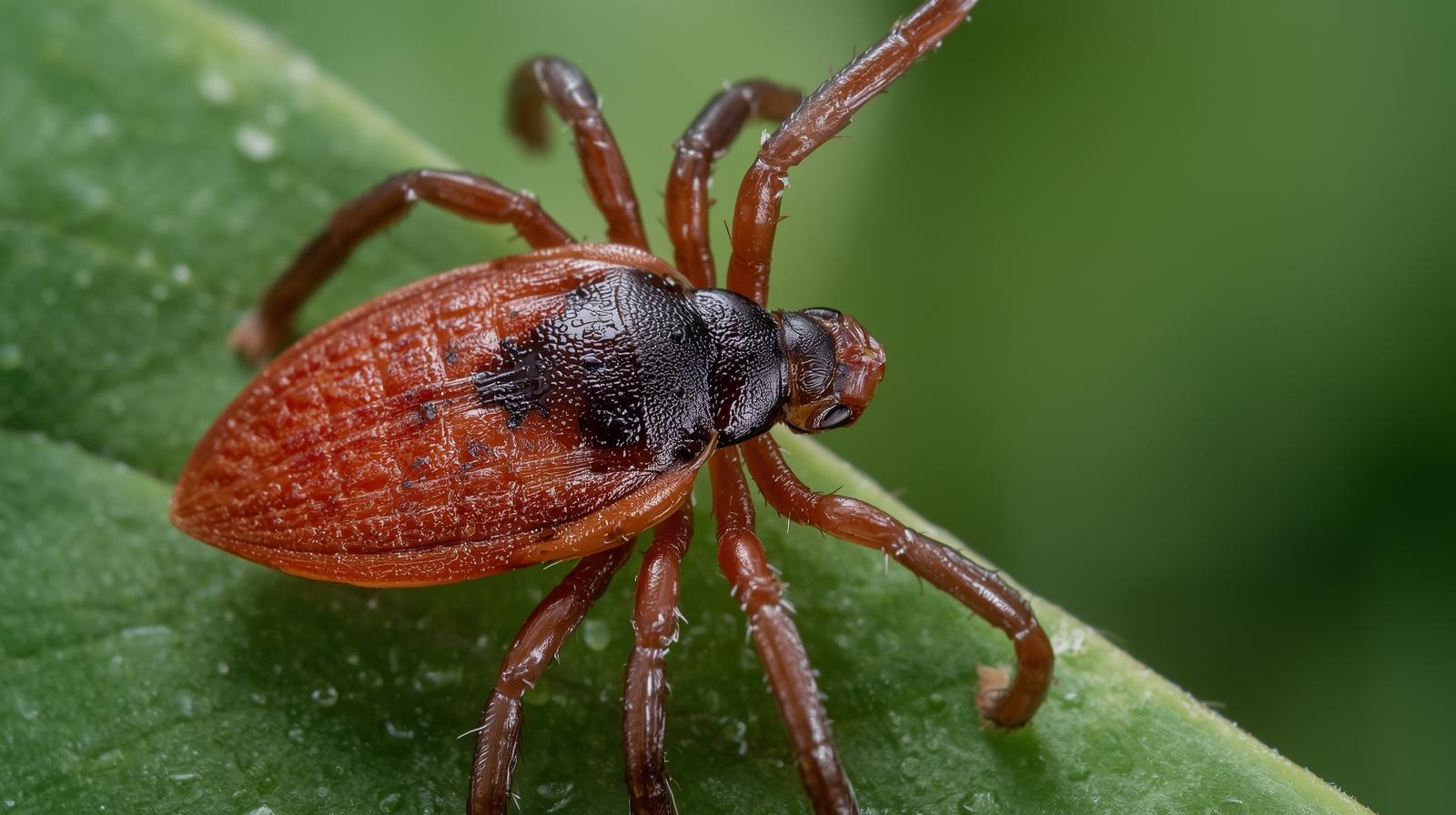
Most South Fork homeowners treat ticks as a spring problem. By mid-July the lawn looks tired, the woods edge feels dry, and the assumption is that peak tick pressure passed with the wet weeks of May. That assumption is backwards. Mid-July is when blacklegged tick nymphs are most active on lawn edges, hedge bottoms, and paths people cut across in heat.
The reason is size. A nymph is about the size of a poppy seed. It is harder to spot than the larger adults you noticed in spring after a walk with the dog. A normal afternoon on the lawn or woods edge is when nymphs show up on clothing and pets. This post explains the mid-summer nymph pattern for South Fork lots and when to schedule service.
Peconic Pest Control has served East End communities since 1997 from Southampton. For treatment we offer tick control alongside mosquito control, general insect and rodent control, and termite control.
The nymph problem in one paragraph
Blacklegged ticks live on a roughly two year cycle. Larvae hatch and feed in late summer, molt, and emerge the following spring as nymphs. Those nymphs are most active from late June through July exactly when families, kids, and dogs spend the most hours outside. They are small enough to miss on a fast glance and abundant enough that a single walk across a wood edge path can pick up several. That overlap of high activity and low visibility is why mid-summer, not spring, is the window that deserves your attention.
Why the South Fork makes it worse
Our lots are not generic suburban squares. The geography here concentrates nymph pressure in specific places:
- Wood edge transitions. Nymphs wait low on leaf litter and grass at the line where lawn meets scrub, hedge, or trees. South Fork properties are full of these edges.
- Informal foot paths. The route kids and dogs actually take between the house, the pool, and the wood line often skims tall growth, not the tidy walk on the landscape plan.
- Deer traffic. Deer move nymphs and their next meal across property lines every night. A perfectly maintained lawn still borders habitat you do not control.
- Shade and moisture. Nymphs dry out easily. Shaded, humid bases of hedges and stone walls hold them longer than open sun-baked turf.
If you want the property-type framing for East Hampton lots specifically, our East Hampton area guide sorts tick, mosquito, and general pest questions by village versus wood edge layout.
The mid-July nymph check
The counter to a pest you cannot easily see is a habit, not a single big effort. Build these into normal July days:
- Check within two hours of coming inside. Nymphs usually need time attached before transmission risk rises. A shower and a deliberate check the same afternoon beats a next-day scan.
- Look where nymphs actually go. Behind knees, along the hairline, waistband, armpits, and the backs of shins. Small and low, not obvious and central.
- Do the dog every day. Run fingers slowly against the coat around ears, collar line, and between toes. Dogs bring nymphs to the door and to the couch.
- Use a mirror or a partner. Poppy-seed size means you will miss the ones you cannot see directly.
- Save what you remove. Slow, straight pull with fine tweezers at the skin. Keep the tick in a bag with the date if you want it identified.
For a broader seasonal checklist that includes the deck and guest-week routines, see our deck perimeter tick checks before guest weeks post.
What changes the yard, not just the person
Personal checks catch ticks that already found you. Reducing how many reach people in the first place is a property question:
- Mow the edge, not just the middle. The tick line is where lawn meets tall growth. Keeping that transition short and dry matters more than the center of the lawn.
- Widen and clear the paths people use. Trim back the informal routes to the pool, shed, and wood line so nobody brushes habitat daily.
- Move play and lounging away from edges. Swing sets, hammocks, and seating do best in open sun, away from the shaded hedge base.
- Manage leaf litter and stone wall bases. These hold the humidity nymphs need. Clearing them removes refuge.
Professional tick control layers onto these habits with targeted yard treatments timed to the nymph window. Both traditional and natural options exist where they fit your plan and your household. Our spring tick guide covers the habitat language in more depth, and it applies just as much in July.
Mid-summer is not only ticks
Nymph season overlaps with the loudest weeks of mosquito and outdoor-meal pest pressure, so it is easy to conflate them. Keep them separate when you plan. Mosquitoes are a shade and standing water problem, addressed in our standing water and mosquitoes post and through mosquito control. Ants and flies at the patio are a food, trash, and entry-point problem covered in ants at outdoor meals when trash sits by the patio.
If you are not sure which symptom is loudest this week, our peak heat outdoor symptom quiz sorts tick, mosquito, general pest, termite, and wildlife signs into a starting point.
What to have ready when you call
Note which paths people and pets use daily and how close tall growth sits to those routes. Mention shaded hedge bases, stone walls, and where the lawn meets scrub. Say whether the home is year round or seasonal, and list any guest or rental weeks so treatment timing lines up with high outdoor use. If you removed a tick, keeping it helps with identification.
Peconic Pest Control serves Southampton, East Hampton, Sag Harbor, Montauk, and the rest of the South Fork. Call 631-287-7378 or use our contact page to schedule a site visit.
Related reading on the South Fork
Pair this with our spring tick guide for habitat basics and the East Hampton area guide for property-type planning. When you are ready to line up tick control with how your household actually uses the yard this summer, call 631-287-7378.