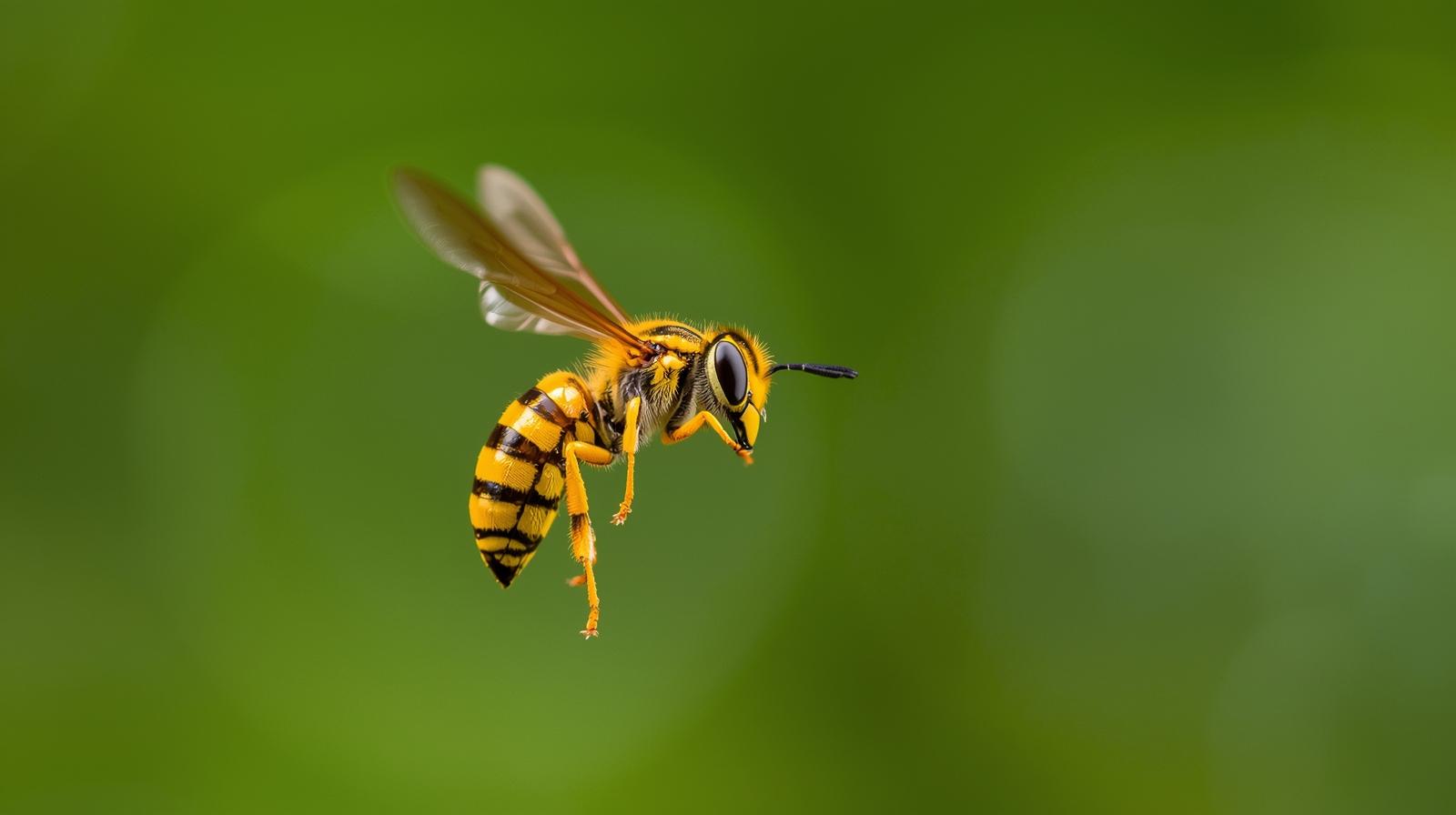
Steady wasp traffic along a stone retaining wall may mean a yellow jacket nest inside the cavity, not only a ground hole in the lawn. Wall height, drainage, and seasonal frost shift can open voids that insects adopt by midsummer.
Properties in Bridgehampton and Southampton with terraced yards see this pattern where landscape walls meet pool decks. This article reads access points, risk near foot traffic, and when general insect and rodent control should plan work after dusk.
Traffic patterns that point to wall nests
Workers fly a repeated path through a narrow gap between stones or at a weep opening. Unlike paper wasps on exposed eaves, yellow jackets often keep the comb hidden until stone shifts.
Activity may intensify in late summer when colonies peak. Owners notice during lawn mowing or when children cut across the terrace.
Stand at a safe distance and note whether insects enter at ground level, mid wall, or cap stones. Height changes treatment access and protective equipment needs.
Species evidence, access points, and seasonal building use on Long Island coastal lots change how this pattern should be read; document timing and exposure before you lock a service path. Peconic Pest Control serves Southampton, East Hampton, Bridgehampton, Water Mill, Hampton Bays, Montauk, and nearby Suffolk County properties with integrated pest programs on the same East End sites.
Retaining wall construction and void space
Dry stacked walls and segmental block systems leave intentional drainage gaps. Backfill behind the face can settle and create pockets bees view as sheltered cavities.
Older walls with frost heave may show new openings after winter. A gap that was tight in April may admit insects by August without visible collapse.
Drainage fabric and perforated pipe should move water away from the face. Chronic damp walls attract different insects than yellow jackets, so moisture context still matters.
Species evidence, access points, and seasonal building use on Long Island coastal lots change how this pattern should be read; document timing and exposure before you lock a service path. Peconic Pest Control serves Southampton, East Hampton, Bridgehampton, Water Mill, Hampton Bays, Montauk, and nearby Suffolk County properties with integrated pest programs on the same East End sites.
Separating yellow jackets from ground hornets and paper wasps
Bald faced hornets build grey aerial envelopes in trees and shrubs. Paper wasps leave open comb under railings and eaves.
Yellow jackets may occupy ground burrows or structural voids. Wall cavities behave like structural voids even when the wall is only four feet tall.
Photograph envelope shape only when visible. Hidden nests are confirmed by traffic, not by guessing species from color alone.
Species evidence, access points, and seasonal building use on Long Island coastal lots change how this pattern should be read; document timing and exposure before you lock a service path. Peconic Pest Control serves Southampton, East Hampton, Bridgehampton, Water Mill, Hampton Bays, Montauk, and nearby Suffolk County properties with integrated pest programs on the same East End sites.
Safety and timing near pool decks and paths
Terraced paths beside pools concentrate barefoot traffic where stings carry higher consequence. Fence off the approach until a professional evaluates rather than spraying from the patio.
Evening treatments align with return flights when label and weather allow. Disturbing a large colony midday near a retaining wall risks defensive behavior across the terrace.
Lawn care and irrigation crews should receive notice when nests sit beside equipment routes. Uncoordinated mowing can trigger incidents without malice.
Exclusion and rebuild considerations
After colony removal, pack or screen voids that will reopen with next season settlement. Landscape architects sometimes specify mesh behind cap stones on high traffic terraces.
Wall movement from drainage failure should be repaired or nests may return to replaced cavities. Pest work does not fix undersized drain outlets behind the wall.
Document stone courses where activity appeared so masons know which bays were opened for treatment access.
When to call before guest weekends
Share event dates, pet traffic, and photos of flight lines through contact. Hamptons dinner calendars do not align with nest biology, so plan early.
If swelling reactions are a concern for household members, say so when scheduling. Medical risk changes how aggressively properties must be cleared before use.
Our team serves the South Fork and broader Long Island with general insect and rodent control when stinging insects share the yard with mosquito control pressure on the same weekend.