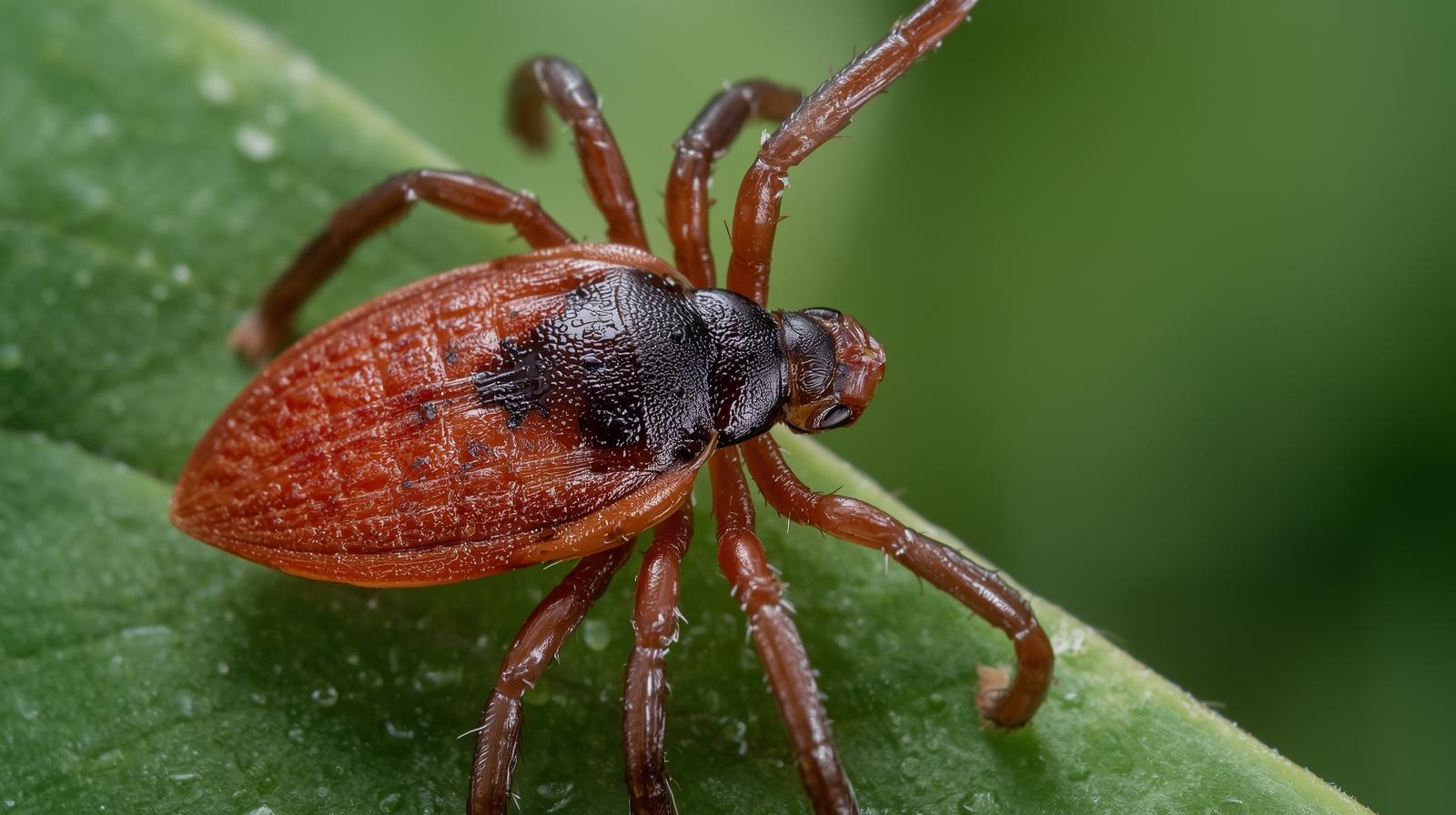
Tick service is not only a spray date. On East End properties, the strip where mowed lawn meets woods, hedge, or meadow decides how much harborage sits beside the places people walk. When leaf litter, tall grass, and brush pile up between visits, treatment has more ground to cover and more places to miss.
Peconic Pest Control has served the Hamptons and East End since 1997. Our tick control programs work best when the property team keeps that lawn-to-woods transition readable and maintained.
Why the edge matters more than the open lawn
Ticks wait where humidity and cover meet host traffic. The first ten feet of woods edge, under shrub skirts, along fence lines, and beside leaf piles are the working zones. Wide open turf that is mowed and dry is usually not the main story.
Photograph the edge after the lawn is cut. Note where ornamental beds blur into brush, where play equipment sits against woods, and where a path cuts through tall grass to a beach or court. Those photos help the technician focus on real travel routes instead of treating only what looks tidy from the driveway.
What the property team should maintain between visits
Keep a defined mow line so tall grass does not creep into the play lawn.
Move leaf litter and brush piles away from path edges and foundation beds.
Lift or thin dense groundcovers beside gates where kids and dogs pass daily.
Store firewood and debris off the ground and away from the main walking line when possible.
These steps do not replace professional treatment. They reduce the clutter that shelters ticks next to human traffic. They also make each service visit faster to evaluate.
Coordinate with lawn and landscape vendors
Many South Fork estates have a lawn company and a pest company that never share notes. Ask the lawn team to keep edge height and blow-out debris in mind during tick season. Ask the pest technician which strips matter most on your lot. A short shared note prevents the lawn crew from leaving piles where treatment just landed.
Properties in Southampton and East Hampton often combine formal lawn with wooded buffers. The transition is a design feature and a tick corridor at the same time.
Treatment timing still follows activity and weather
Maintaining the edge does not freeze the calendar. Weather, host activity, and property use still move treatment timing. If a visit shifts after heavy rain or a guest-heavy weekend, keep the edge work on schedule anyway. A clean transition helps the next application; it does not invent a new biology.
Browse mosquito control if dusk patio use is a separate pressure on the same weekends. Ticks and mosquitoes can share a calendar without sharing the same harborage story.
What to send before the next tick visit
Send edge photos, note where kids and pets travel, list recent brush clearing, and mention any lawn-height changes. Include locked gates or dogs that limit access along the woods line.
Related reading on outdoor pressure includes ants at outdoor meals when trash sits by the patio. Food waste is a different pest lane, but patio and woods-edge habits often sit on the same guest calendar.
Guest weeks and path pressure
South Fork properties often see more people on the lawn-to-woods path during summer weekends. Play equipment, dog runs, and shortcuts to the beach concentrate hosts where ticks already like humidity. Before a busy week, mow the defined edge, move brush piles, and note any new gap in the hedge where a path formed.
If mosquito service is also scheduled for dusk patio use, keep the two calendars visible together. They are different treatments, but they share access gates and guest timing. See mosquito control for the dusk patio lane.
What not to confuse with tick habitat work
Broad leaf cleanup of the whole acre is not required for every visit. The priority is the transition people use. Deep woods far from paths matter less than the first strip beside the swing set. Likewise, a perfect open lawn does not cancel edge pressure if the wood line stays thick and littered.
After treatment habits
Ask the technician about reentry timing and any watering limits for the day of service. Do not dump new leaf piles onto a just-treated edge. If a landscaper will blow debris the next morning, tell them which strips were prioritized so they do not recreate harborage immediately.
Dogs, kids, and the first ten feet
If dogs patrol the wood line or kids cut through the same gap every afternoon, that strip is the service priority. Move toys and bowls off the litter edge before treatment when possible. Tell us about pet doors and outdoor kennels so the visit plan matches how the yard is used, not only how it photographs for a listing.
Contact Peconic Pest Control when you want tick service paired with a maintained lawn-to-woods transition instead of treatment alone.