Scratching at dawn in a South Fork second story often splits into two stories. Gray squirrels may use rooflines and soffit gaps to reach attic bays. Flying squirrels use narrower openings and quieter glides between trees and eaves. The sound profile, entry size, and trail outside matter more than a single night of noise.
Peconic Pest Control provides general insect and rodent control and wildlife support across Suffolk County from Southampton to Montauk. This article maps observable entry evidence, seasonal movement, and when photos of chew marks beat another round of attic listening.
How attic noise differs by species
Gray squirrels often move in short bursts during morning hours. You may hear rolling nuts, scraping, or young chatter once a litter establishes. Flying squirrels tend toward lighter scratching after dusk and before dawn, sometimes in brief runs along joists.
Neither pattern proves a nest without inspection. Mice, bats, and raccoons can share acoustic space on older homes with multiple generations of roof work.
Record the time of day, duration, and which gable or dormer the sound follows. Two nights of notes narrow the list faster than one panicked morning call.
Species evidence, access points, and seasonal building use on Long Island coastal lots change how this pattern should be read; document timing and exposure before you lock a service path. Peconic Pest Control serves Southampton, East Hampton, Bridgehampton, Water Mill, Hampton Bays, Montauk, and nearby Suffolk County properties with integrated pest programs on the same East End sites.
Glide paths and tree geometry on Long Island lots
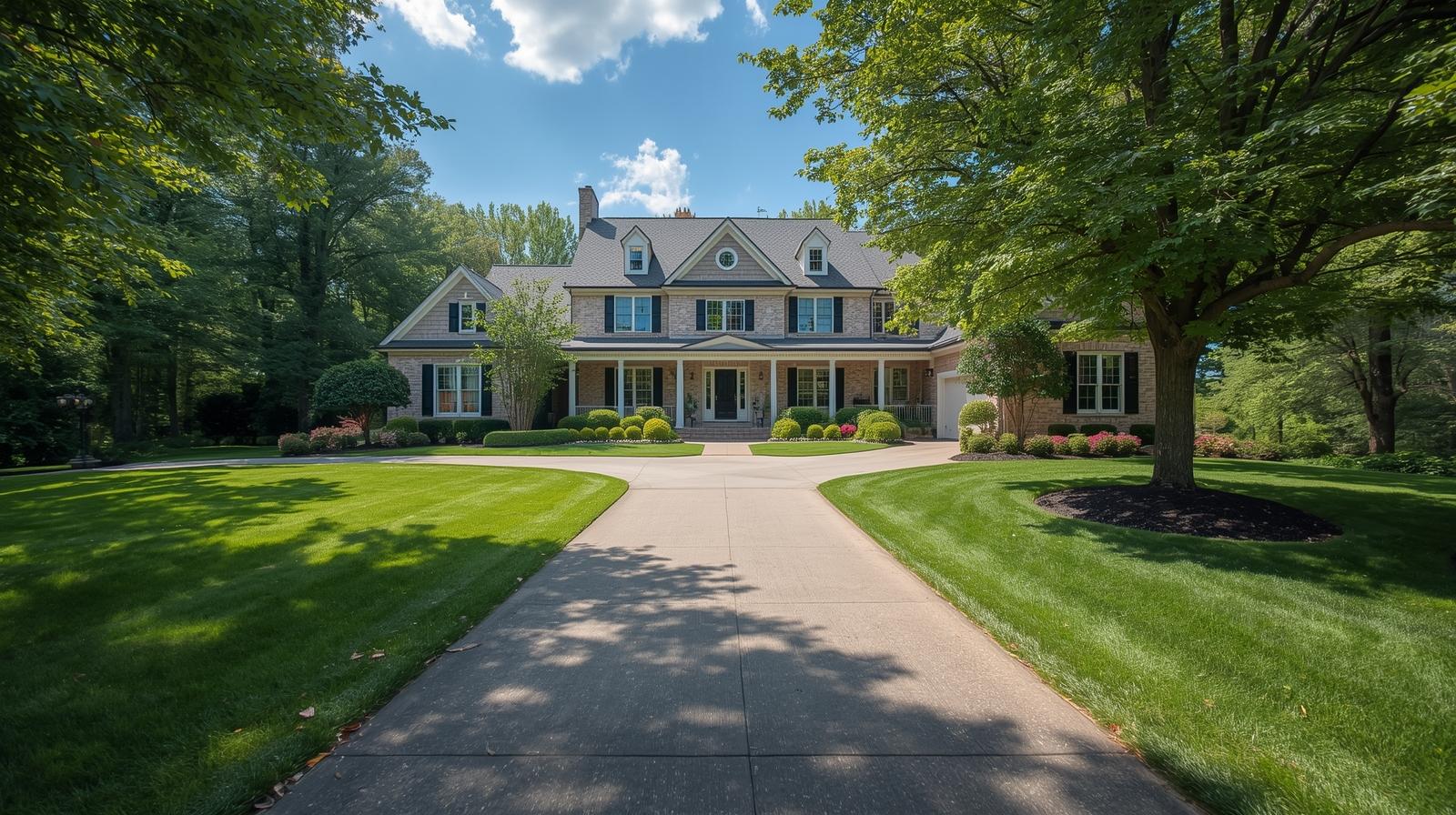
Flying squirrels favor mature oak and pine canopies that reach within a few feet of roof edge. A leap from limb to soffit may leave little exterior damage while gray squirrels chew wider holes at fascia boards.
Properties in East Hampton and Water Mill with tight woodland edges see both species on one block. Distance from open lawn to roof corner tells you whether glide routes are plausible.
Map overhanging limbs before anyone trims for daylight alone. Cutting access without closing the hole can push animals deeper into insulated cavities.
Species evidence, access points, and seasonal building use on Long Island coastal lots change how this pattern should be read; document timing and exposure before you lock a service path. Peconic Pest Control serves Southampton, East Hampton, Bridgehampton, Water Mill, Hampton Bays, Montauk, and nearby Suffolk County properties with integrated pest programs on the same East End sites.
Entry points common on East End construction
Gable vents with missing screens, lifted ridge shingles, and PVC plumbing boots with chewed collars appear on inspection photos weekly. Carpenter gaps at dormer cheeks let animals slip behind fascia while the roof looks intact from the driveway.
Second homes may hide weeks of activity while the house stood empty. Insulation disturbance and stored item nests often appear before owners hear noise on the first weekend back.
Daylight checks from the attic hatch show rub marks, fecal pellets, and compressed trails. Exterior checks show chew angles and hair at sharp edges.
Species evidence without trapping the wrong animal
Gray squirrel feces are larger and often found in concentrated latrine areas. Flying squirrel droppings are smaller and may scatter along runways in insulation.
Nest material may include leaves, shredded insulation, and attic storage debris. Bat guano looks different and usually sits under roost sites near ridge line, not random bays.
A qualified visit should separate wildlife from rodent-only programs. Treatment plans differ when exclusion, one-way doors, or timing around young are in play.
Exclusion and repair tradeoffs
Closing a hole while young remain inside creates new damage routes. Seasonal timing and species life cycle should appear in the plan before mesh goes up.
Metal flashing, hardware cloth, and proper vent screens outlast foam plugs animals chew through in days. Contractors and pest technicians often share one punch list on Hamptons restorations.
Attic sanitation after removal belongs in the same conversation when insulation is contaminated. Uncertainty remains until someone inspects depth of guano or urine staining.
When to schedule professional evaluation
Send town, photos of suspected entries, overhanging limbs, and a note on whether the home was vacant. Use contact before cold weather locks animals inside for winter.
If noise pairs with chewed wires or stained ceilings, treat urgency as structural risk, not nuisance sound alone. Electrical and insulation contractors may need copies of the pest report.
Pair this file with other blog wildlife notes when raccoons, bats, or mice share the same roofline. Integrated planning on Long Island coastal lots rarely fits one species label.