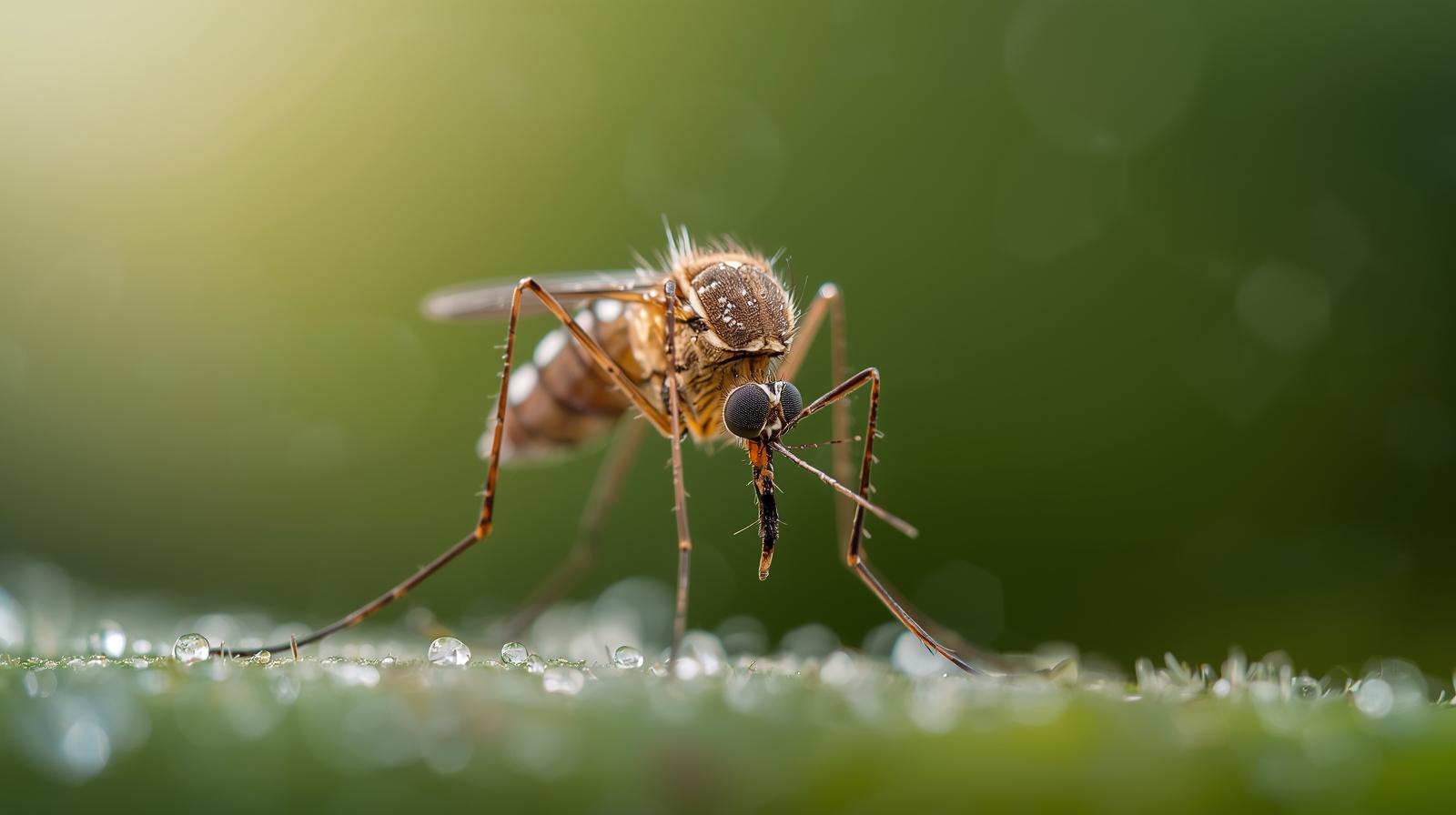
A koi pond or formal reflecting pool can look pristine while mosquito larvae pulse in quiet corners behind lilies. Still water, thin organic film, and pumps that run only during owner visits create breeding that adult sprays never fully offset.
This article ties breeding habitat to mosquito control planning on estates in Water Mill, East Hampton, and surrounding Suffolk County lots with decorative water features.
Where larvae hide in ornamental ponds
Shallow shelves under aquatic plants hold water that skimmers never pull. Larvae hang at an angle just below the film, often invisible until you disturb the edge with a net.
Overflow bowls and autofill chambers may hold water when valves weep. Those side cells breed mosquitoes while the main pond looks circulated.
Fountain nozzles that shut off at night can leave bowls still for twelve hours, enough for some species to complete early instars.
Species evidence, access points, and seasonal building use on Long Island coastal lots change how this pattern should be read; document timing and exposure before you lock a service path. Peconic Pest Control serves Southampton, East Hampton, Bridgehampton, Water Mill, Hampton Bays, Montauk, and nearby Suffolk County properties with integrated pest programs on the same East End sites.
Pump, filter, and turnover reality
Pumps sized for aesthetics may not exchange volume at the rate biology needs. Dead zones behind rocks and bridge pilings stay calm even when center jets foam.
Clogged prefilters reduce flow quietly. Owners notice cloudy water late while larvae established weeks earlier in margins.
Winterization plugs left partially open in spring can divert flow away from one bay. Turnover checks should include each spillway, not only amperage at the panel.
Species evidence, access points, and seasonal building use on Long Island coastal lots change how this pattern should be read; document timing and exposure before you lock a service path. Peconic Pest Control serves Southampton, East Hampton, Bridgehampton, Water Mill, Hampton Bays, Montauk, and nearby Suffolk County properties with integrated pest programs on the same East End sites.
Plant density and organic load
Heavy lily cover shades surface and traps pollen. Organic film feeds larvae and shields them from fish predation in shallow ledges.
Leaves from overhanging magnolia and oak land in ponds on South Fork properties each fall. Partial cleaning leaves decaying matter that supports midges and mosquitoes alike.
Beneficial insects and fish may reduce larvae when depth and chemistry fit. Stocking alone does not fix pump dead zones.
Species evidence, access points, and seasonal building use on Long Island coastal lots change how this pattern should be read; document timing and exposure before you lock a service path. Peconic Pest Control serves Southampton, East Hampton, Bridgehampton, Water Mill, Hampton Bays, Montauk, and nearby Suffolk County properties with integrated pest programs on the same East End sites.
Adult treatments versus source reduction
Perimeter mosquito control work targets resting adults and reduces bites during guest weeks. It does not replace drainage and circulation at the pond edge.
Integrated plans name both habitat edits and labeled applications where law allows near water. Product choice near fish ponds demands label respect and often smaller treatment arcs.
Document which zones guests use at dusk. Treatment maps should spare seating arcs when possible while still addressing wood line resting sites.
Species evidence, access points, and seasonal building use on Long Island coastal lots change how this pattern should be read; document timing and exposure before you lock a service path. Peconic Pest Control serves Southampton, East Hampton, Bridgehampton, Water Mill, Hampton Bays, Montauk, and nearby Suffolk County properties with integrated pest programs on the same East End sites.
Seasonal homes and rental turnover
Ponds that sit idle until July may surge larvae in June. Pre opening circulation should run before furniture arrives on the terrace.
Automatic controls that fail during vacancy are a common silent partner. Check logs when the house was empty for a month.
Irrigation overspray into pond edges adds fresh water without improving turnover. Fix spray arcs before adding larvicide decisions.
What to photograph before service
Wide shots of the pond, close shots of still margins, skimmer flow, and equipment pad valves help technicians prioritize.
Use contact with town and guest calendar notes. tick control pressure on adjacent paths may belong in the same visit when families walk pond loops at dusk.
Read related blog drainage articles when birdbaths and gutters also hold water on the same lot. One breeding pocket can sustain mosquitoes through a dry August.