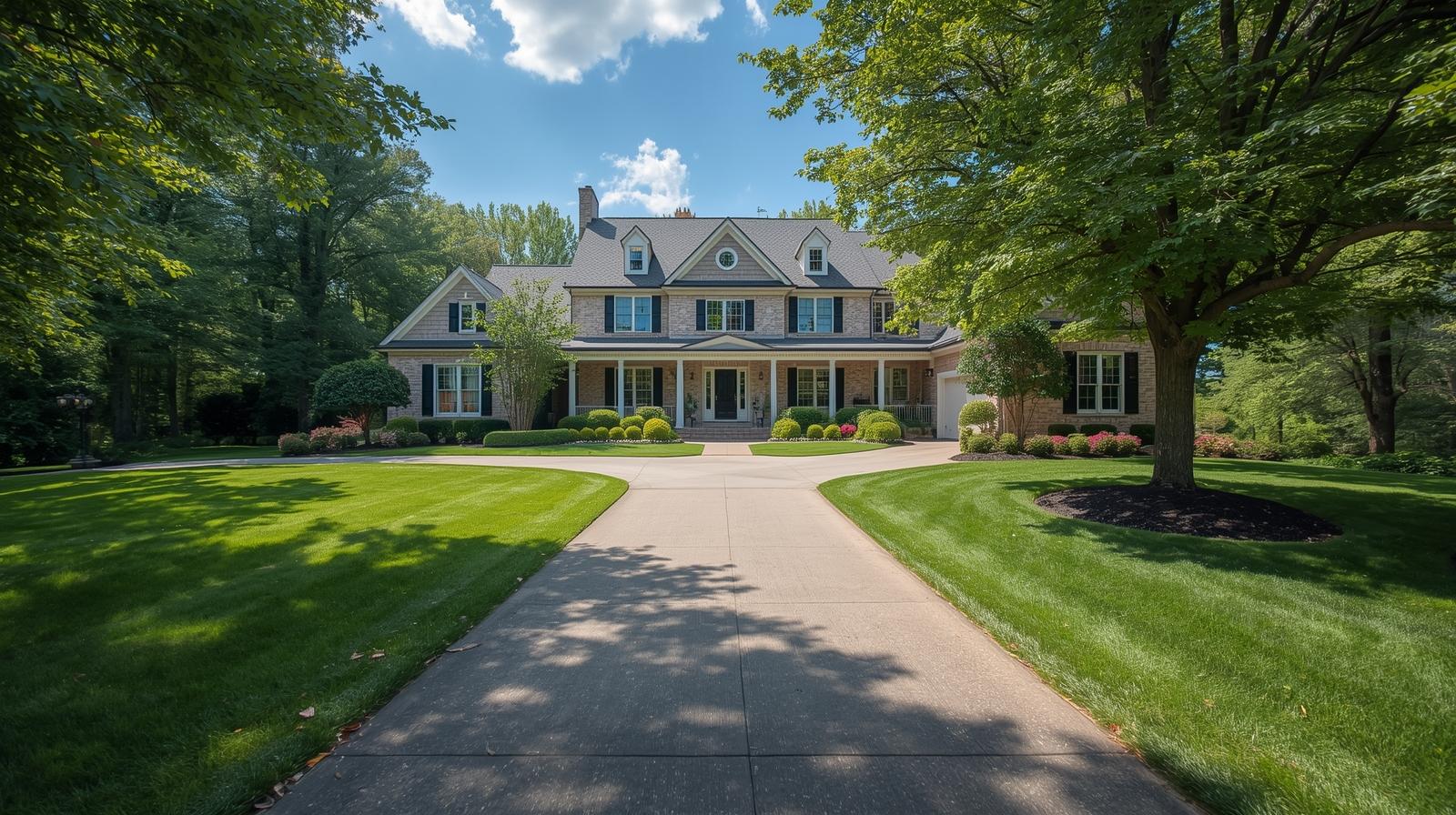
Finding the best pest control company usually starts with a bad moment: ants on the counter before a weekend visit, scratching behind a wall at 2 a.m., or the sinking feeling of spotting wood damage too late. In the Hamptons, the right choice depends on what is invading your space, what kind of property you have, and how quickly you need the problem handled.
Start with what you need fixed
Pest control is not one big generic service. It is closer to calling a plumber versus an electrician. Both work on your house, but not for the same problem. The best pest control company for your situation is the one that handles your pest, your property, and your timeline without making you guess what comes next.
Identify the pest problem before you start calling
Try to name the issue as clearly as possible before you reach out. You do not need a perfect diagnosis, but you should know if you are dealing with ants in the kitchen, mice in the attic, termites near the foundation, mosquitoes around the yard, bed bugs in a guest room, or wildlife getting into crawl spaces or trash areas.
This matters because specialties differ. A company that is excellent at seasonal mosquito treatment may not be the best fit for termite detection or rodent exclusion work. Exclusion simply means sealing the gaps and entry points pests use to get inside. If you call three companies and one jumps straight to spraying without even talking through the actual pest, that is a bad sign.
Think about your property type and timing
A year-round home in Bridgehampton has different needs than a summer rental in East Hampton. A vacant house in July can develop a problem quietly, especially if there is moisture, food left behind, or easy access through vents and gaps. A busy Southampton restaurant has the opposite problem: constant activity, strict sanitation expectations, and almost no room for service delays.
Property type changes everything, including scheduling, treatment choice, and follow-up. Homes often need prevention and monitoring. Rentals need fast turnaround and discreet service between guests. Businesses need documentation, reliability, and minimal disruption. The trick is to choose a company that clearly works in your kind of setting, not one that treats every property the same.
Look for the non-negotiables first
Before price, before promises, before a polished website, check the basics. If a company cannot clearly show licensing, insurance, and a treatment plan, cross it off the list.
Confirm licenses, certifications, and insurance
In New York, pest control work should be handled by properly licensed professionals. Licensing shows that the company is legally allowed to apply treatments and has met state requirements. Insurance matters just as much. Liability insurance means protection if something goes wrong on your property during service.
You should also expect clear business information, not vague answers or dodged questions. If a company gets slippery when you ask about credentials, move on. The good ones answer directly because this is standard, not a special favor.
Check experience with hamptons-specific pest issues
Local experience is not a bonus here. It matters. Coastal humidity, wooded lots, landscaped properties, seasonal occupancy, and outdoor entertaining spaces create a pretty specific mix of conditions in the Hamptons. Ticks, mosquitoes, rodents, carpenter ants, and termites all thrive for different reasons, and a company that works this area regularly should understand those patterns.
That kind of experience shows up in practical ways. A local company should talk about moisture around crawl spaces, overgrown vegetation near structures, gaps around utility lines, and what happens when homes sit empty for stretches. Those details are hard to fake.
Ask how treatments protect kids, pets, and landscaping
You should not have to pull basic safety information out of a company one word at a time. A good provider explains where products will be used, how long treated areas should be avoided, and what precautions make sense for children, pets, pollinator-friendly gardens, poolsides, and outdoor seating areas.
Here’s the thing: “safe” by itself is not an answer. You want specifics. Ask what gets applied indoors versus outdoors, whether bait stations or traps make more sense than broad treatment in certain areas, and how nearby plantings will be protected. If the explanation sounds like a magic trick, keep looking.
Compare service quality, not just price
Cheap pest control can get expensive fast. It is like patching a roof leak with tape and hoping the next storm is gentle.
Ask what’s included in the inspection
A strong inspection does more than confirm that pests exist. It should look for entry points, standing water, nesting spots, damaged wood, insulation issues, sanitation problems, and property conditions that keep inviting pests back. In plain terms, you want someone to find the reason, not just the symptom.
If the entire plan is spray first, think later, that is weak service. Good inspections lead to better treatment plans, fewer repeat visits, and a better shot at actually solving the problem.
Find out whether the plan is one-time or ongoing
Some jobs really are one-time issues. A wasp nest under an eave, for example, may only need removal and a quick follow-up. But recurring pests often call for more than one visit. Mosquitoes, ticks, rodents, and general household pests usually need seasonal service, monthly visits, or an annual management plan.
Match the plan to your situation. If you live in the home year-round, prevention often pays off. If you only need a property checked before summer occupancy, a targeted seasonal plan may be enough. The catch is that some low quotes leave out the follow-up that actually keeps pests from returning.
Look for clear communication and follow-up
Good service feels organized from the start. You should get a written estimate, a clear arrival window, a straightforward explanation of the treatment, and a summary of what was done. If pests come back between visits, you should know exactly what happens next and how fast someone responds.
This is where a lot of companies separate themselves. Pest control is not just chemistry. It is communication. If you are already chasing basic answers before the first appointment, that usually gets worse, not better.
Read reviews the smart way
Online reviews help, but only if you read them with a little skepticism. A five-star rating by itself does not tell you much.
Look for patterns, not one perfect testimonial
One glowing review can be luck. One terrible review can be a fluke. Patterns are what matter. Look for repeated mentions of showing up on time, solving the issue, explaining treatments clearly, handling billing properly, and following through when a problem returns.
The same goes for negatives. If multiple reviews mention missed appointments, surprise charges, or rushed visits, pay attention. That kind of repetition usually tells the real story.
Ask neighbors, property managers, or local business owners
In the Hamptons, service reputations tend to travel fast. A nearby homeowner, rental manager, restaurant operator, landscaper, or contractor may know exactly which companies show up when promised and which ones vanish after the first invoice.
This kind of word-of-mouth can be more useful than polished marketing. Someone who has seen a company handle mice in a crawl space, mosquito control around a pool, or a recurring ant issue in a kitchen usually gives the kind of detail that reviews leave out.
Know the questions to ask before you hire
A short call or estimate visit can tell you a lot if you ask the right things. Keep it simple and use the same questions with each company so you can compare answers cleanly.
What pests do you specialize in?
You want a direct answer that matches your problem. If you are dealing with termites, you need more than “yes, we handle all pests.” If you are managing a restaurant, you need someone comfortable with commercial work, not only backyard mosquito spraying.
A good answer sounds specific. It should include the pest, the typical approach, and what the company looks for on your kind of property.
What treatment method do you use, and why?
Ask for the plain-English version. A solid company should be able to explain traps, baiting, barrier treatments, exclusion work, and integrated pest management. Integrated pest management is just a practical way to prevent pests, not only kill the ones you can see right now.
The “why” matters as much as the method. Different pests and properties call for different approaches, and the explanation should make sense for your situation, not sound copied from a brochure.
Do you offer guarantees or return visits?
Find out what happens if the issue is not resolved after the first treatment. Some companies include return visits within a set period. Others charge again. Some offer guarantees for certain services but not others.
You are not looking for a dramatic promise that covers everything forever. You are looking for a clear retreatment policy and a realistic response time.
What will the full cost be?
Ask for the full picture: inspection fees, treatment charges, recurring service pricing, cleanup, repairs, exclusions, and any add-ons that could show up later. Hidden costs turn a cheap quote into an expensive one very quickly.
Compare quotes fairly. One estimate may look lower simply because it skips follow-up, monitoring, or the repair side of the job.
Avoid the most common hiring mistakes
Most bad pest control decisions come from rushing. Understandable, but expensive.
Choosing based on price alone
The lowest quote often leaves out the parts that matter most: inspection depth, exclusion work, monitoring, and follow-up. That means pests return, and you end up paying twice.
A higher quote is not automatically better, of course. But if one company is dramatically cheaper than the rest, there is usually a reason.
Hiring too late
Small infestations rarely stay small. Termites can damage structure quietly. Rodents can contaminate storage areas and chew wiring. Summer pests like ants and mosquitoes get worse fast once conditions are right.
If you notice a pattern, act on it. Waiting usually does not save money. It usually just gives the problem time.
Skipping the written service agreement
Get everything in writing: scope of work, treatment schedule, prep steps, guarantee terms, and total cost. Verbal promises are easy to make and even easier to forget.
A written agreement also makes it much easier to compare companies side by side. No guesswork, no “that’s not what you were told” later.
Match the company to your situation
The best choice gets a lot clearer once you stop looking for the best company in general and start looking for the best fit for your property.
Best fit for homeowners
For full-time or seasonal homeowners, thorough inspections and prevention matter most. Look for flexible scheduling, clear communication, protection for outdoor living areas, and a plan that covers both immediate treatment and future prevention. If your yard, garden beds, or pool area are part of daily life, ask how those spaces will be handled.
Best fit for rentals and vacation properties
Rental and vacation properties need speed, discretion, and remote-friendly communication. You want a company that can work between guest stays, send updates without making you chase them, and keep an eye on vacant periods when problems can grow unnoticed.
Best fit for businesses
For restaurants, shops, offices, and hospitality spaces, reliability matters almost as much as treatment quality. Look for documentation, recurring service options, compliance awareness, and scheduling that does not interfere with daily operations. A business pest issue is not just annoying. It can affect reputation fast.
Try this before you book
Make a short list of three local companies, ask the same five questions, and compare the answers side by side before you schedule anything. That one small step usually makes the best pest control company stand out almost immediately.
- Disclaimer: This article is for general informational purposes only. It is not professional advice, a quote, or a service agreement. Conditions at your home or property may differ; contact a qualified professional for an on-site evaluation before making repair, safety, or spending decisions.