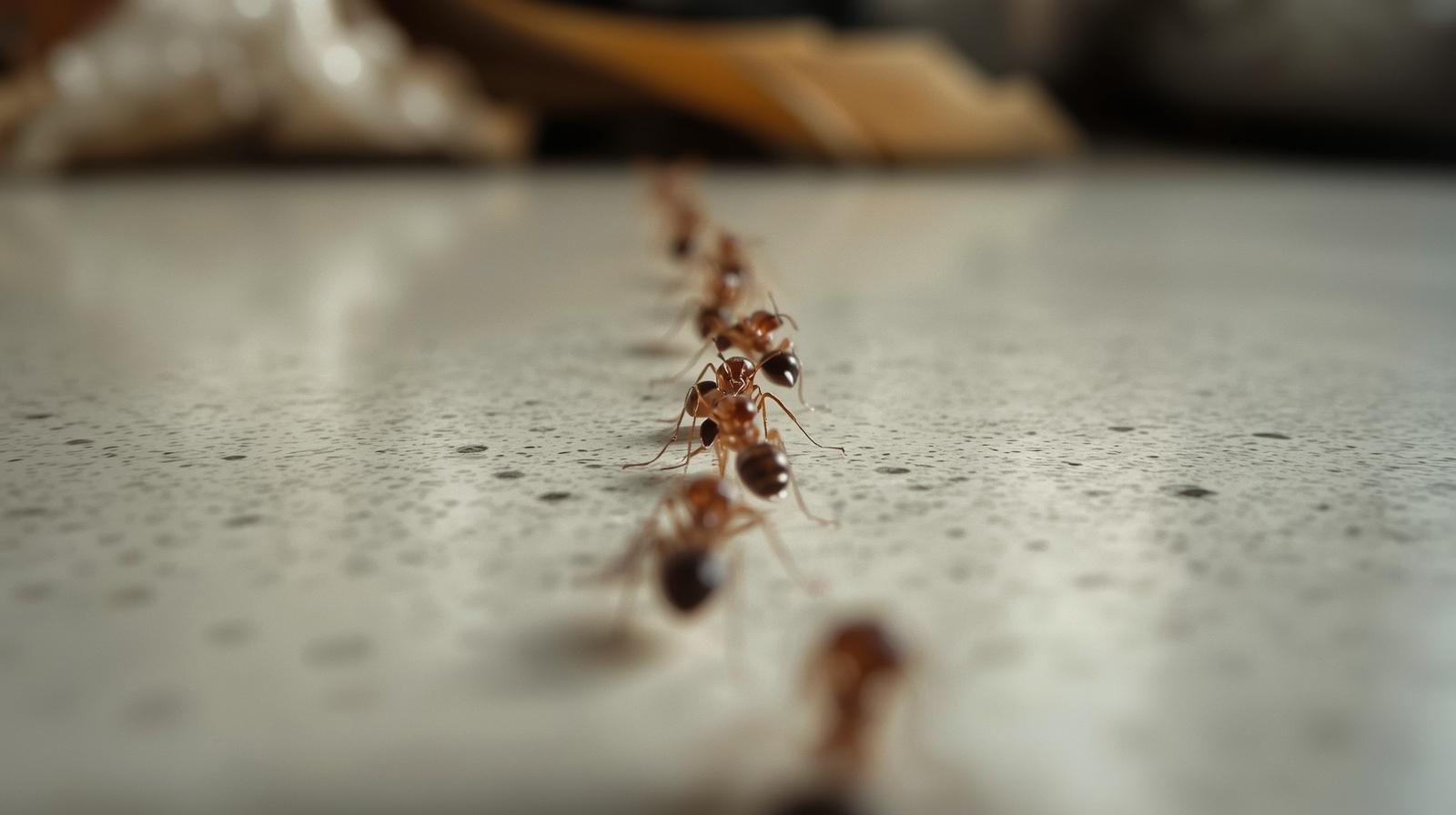
A sparkling kitchen between tenant weeks can still harbor German cockroaches behind drawer glides, dishwasher skirts, and microwave trim. Turnover crews often miss compressed droppings in hinge lines that technicians recognize in seconds.
Rental properties from Hampton Bays to Water Mill see compressed summer calendars. This article ties species evidence, moisture partners, and when general insect and rodent control should run before the next lease starts.
Why turnover cleaning misses cockroaches
German cockroaches prefer warm, humid harborages near food prep zones. They hide in vertical cracks thinner than a credit card, not only under loose clutter on counters.
Egg cases may glue inside cabinet corners where wipes never reach. A few cases left behind can restart pressure within weeks of new occupancy.
Night inspection with a flashlight along door hinges and appliance gaps reveals more than midday walkthroughs designed for photographs.
Species evidence, access points, and seasonal building use on Long Island coastal lots change how this pattern should be read; document timing and exposure before you lock a service path. Peconic Pest Control serves Southampton, East Hampton, Bridgehampton, Water Mill, Hampton Bays, Montauk, and nearby Suffolk County properties with integrated pest programs on the same East End sites.
Droppings and staining that identify species
German cockroach droppings look like ground pepper clustered in corners and along drawer tracks. Larger roaches leave different pellet patterns that should not be lumped into one treatment story.
Oily smears along vertical travel routes appear where populations are established. Fresh smears mean recent traffic even when live insects are not visible.
Document locations before sanitizing. Technicians build bait placement maps from those photos faster than from a general complaint of bugs in the kitchen.
Species evidence, access points, and seasonal building use on Long Island coastal lots change how this pattern should be read; document timing and exposure before you lock a service path. Peconic Pest Control serves Southampton, East Hampton, Bridgehampton, Water Mill, Hampton Bays, Montauk, and nearby Suffolk County properties with integrated pest programs on the same East End sites.
Appliance voids and rental furniture
Dishwasher and refrigerator compressor voids trap warmth and crumbs from prior tenants. Stoves with removable bottom pans hide cases unless someone lifts panels during turnover.
Microwave mounting gaps and freestanding ice machines in basement bars repeat the same pattern on high turnover guest houses.
Second hand furniture and dish crates moved between units can move egg cases. Inventory which items crossed units this season before blaming the latest tenant alone.
Species evidence, access points, and seasonal building use on Long Island coastal lots change how this pattern should be read; document timing and exposure before you lock a service path. Peconic Pest Control serves Southampton, East Hampton, Bridgehampton, Water Mill, Hampton Bays, Montauk, and nearby Suffolk County properties with integrated pest programs on the same East End sites.
Moisture and trash partners on the East End
Slow plumbing leaks under sinks keep cabinets humid through empty weeks. Exterior trash enclosures without tight lids feed perimeter ants and roaches that later enter through door sweeps.
Compost bins beside mudrooms and pool snack bars add odor trails. Turnover checklists should include drip pans, disposal seals, and dumpster distance.
Uncertainty remains on any unit until someone inspects at night and follows moisture sources. A dry kitchen can still hold roaches when harborage was never disturbed.
Species evidence, access points, and seasonal building use on Long Island coastal lots change how this pattern should be read; document timing and exposure before you lock a service path. Peconic Pest Control serves Southampton, East Hampton, Bridgehampton, Water Mill, Hampton Bays, Montauk, and nearby Suffolk County properties with integrated pest programs on the same East End sites.
Professional treatment timing around lease gaps
Short windows between guests favor targeted bait and crack crevice work that respects reentry intervals. Blanket spraying alone rarely reaches voids where populations sit.
Property managers should share lease start dates when calling contact. Plans differ when people arrive in forty eight hours versus a two week gap.
Follow up visits often matter because egg cases hatch on staggered schedules. One visit may pause activity without closing the generation cycle.
Owner and manager records that help the next season
Keep a simple log of which units showed staining, which appliances were replaced, and whether exclusion fixes landed on door sweeps.
Tenants deserve clear communication about sanitation expectations without assigning blame. Integrated Pest Management works when food storage, trash rhythm, and repair tickets align.
Peconic Pest Control has served Long Island since 1997. Pair this article with other blog rental prep notes when mice or ants appear in the same turnover folder.